An AI lockstitch machine pilot should not start with the vendor screen. It should start with the sewing-floor problem the factory is trying to remove.
A sewing machine with AI is easy to demonstrate. A stable sewing process is harder to prove.
That is why I would not judge an AI lockstitch machine by the screen, the sensor language, or one short demo seam. In a real garment factory, the useful question is more basic:
Can the machine reduce variation when fabric, operator skill, thread, needle, style, and line pressure change?
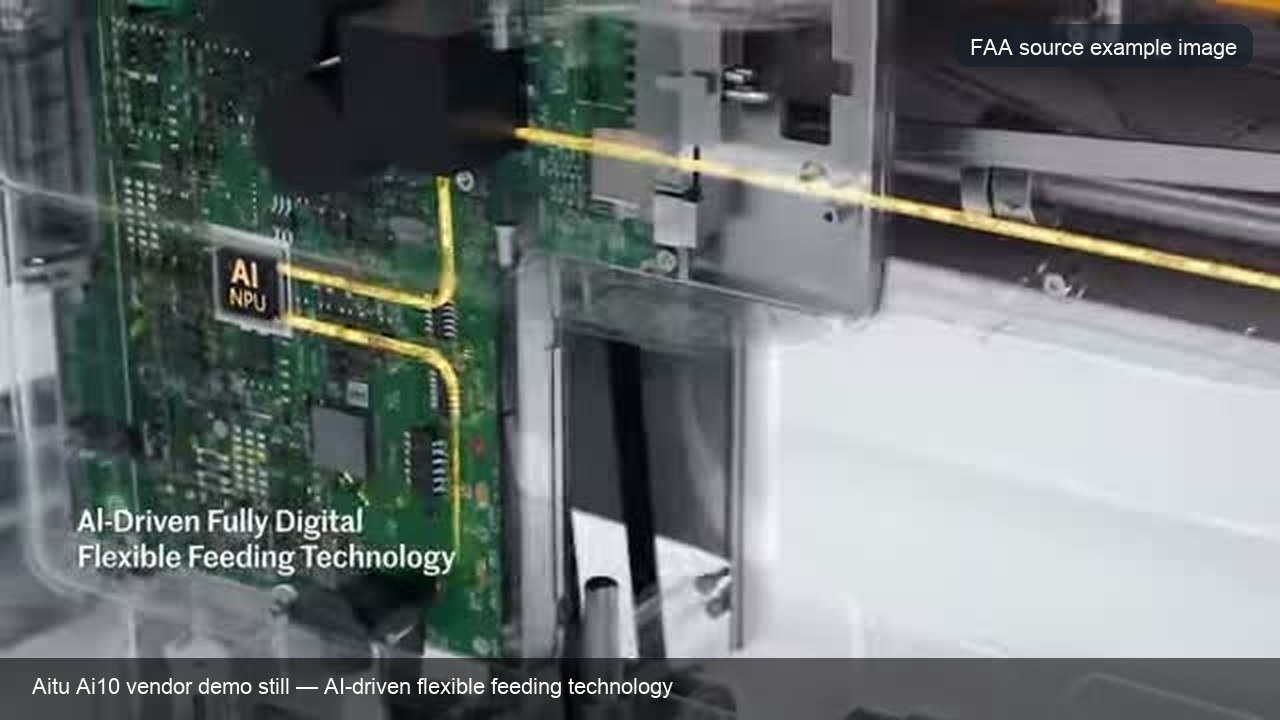
Aitu’s Ai10 promotional material is a useful signal because it shows where sewing technology is moving. The demo and product page describe AI vision, flexible feeding, fabric-parameter learning, automatic process identification, thread-end and bird-nest control, and sewing-quality comparison. Those are exactly the areas where apparel production still depends heavily on experienced operators and supervisors.
But a factory should not turn that vendor message into a purchase decision too quickly. The first job is not to ask whether the machine looks intelligent. The first job is to design an AI lockstitch machine pilot that can survive real production conditions.
The real problem is not only speed
Many factories test a new sewing machine with one simple question: How many pieces per hour?
That question matters, but it is not enough.
In apparel production, the larger cost often comes from instability:
- one fabric feeds smoothly, another stretches or slips;
- one operator keeps the seam clean, another creates rework;
- one style runs well in the morning, then starts showing puckering after a needle, thread, speed, or folder adjustment;
- one good sample hides the fact that the setting cannot be repeated across shifts.
If an AI sewing machine performs only under a prepared demo condition, it is not yet a factory solution. It is a strong demo.
The real test is whether it helps the factory control the conditions that normally create hidden loss: rework, training dependency, unstable cycle time, and quality variation.
Five checks before approving an AI lockstitch machine pilot budget
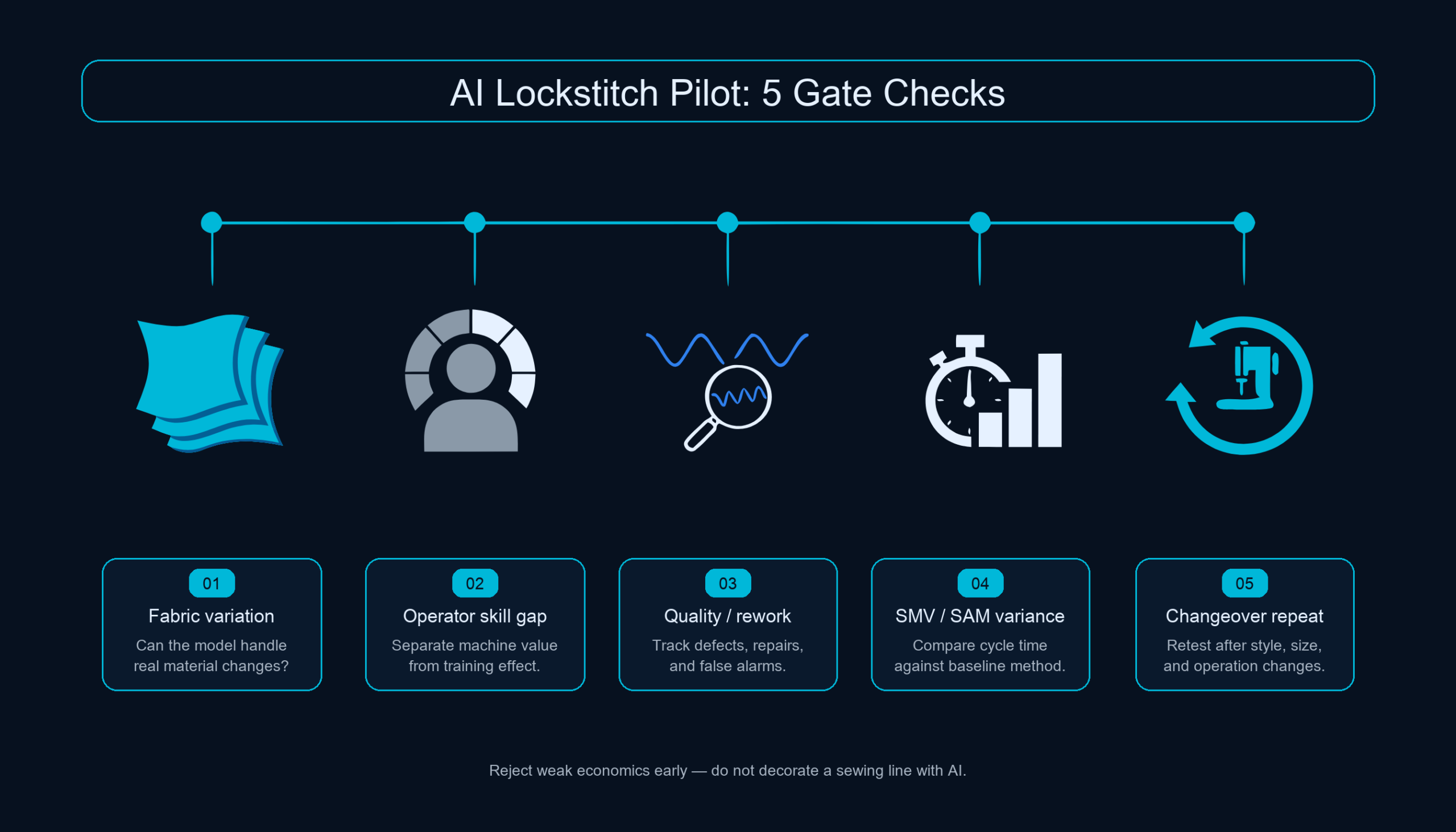
Before approving an AI lockstitch machine pilot, I would check five practical areas: fabric variation, operator gap, quality and rework, SMV/SAM variance, and changeover repeatability.
1. Fabric variation
Do not test only one clean sample.
A realistic pilot should include the fabric types and seam conditions that create problems on the floor: stretch material, light woven, slippery fabric, thicker seams, layered areas, curved seams, and lot-to-lot differences. The question is not whether the machine can sew one prepared piece. The question is whether the machine can keep the operation stable when the material changes.
The useful evidence is not a perfect seam photo. It is a comparison of defect rate, operator intervention, and adjustment time across different material conditions.
2. Operator skill gap
A machine that works only with the best operator does not solve a factory problem.
The pilot should compare skilled, average, and newer operators on the same operation. If the AI function is valuable, the gap between operators should become easier to manage. That does not mean every operator immediately becomes equal. It means the factory can see whether the system reduces dependency on a few expert people.
For management, this matters because operator knowledge is real production knowledge. A good operator feels fabric behavior, senses tension, and prevents defects before QC sees them. AI becomes useful when part of that invisible know-how becomes measurable and repeatable.
3. Stitch quality and rework
Pieces per hour can improve while rework quietly increases.
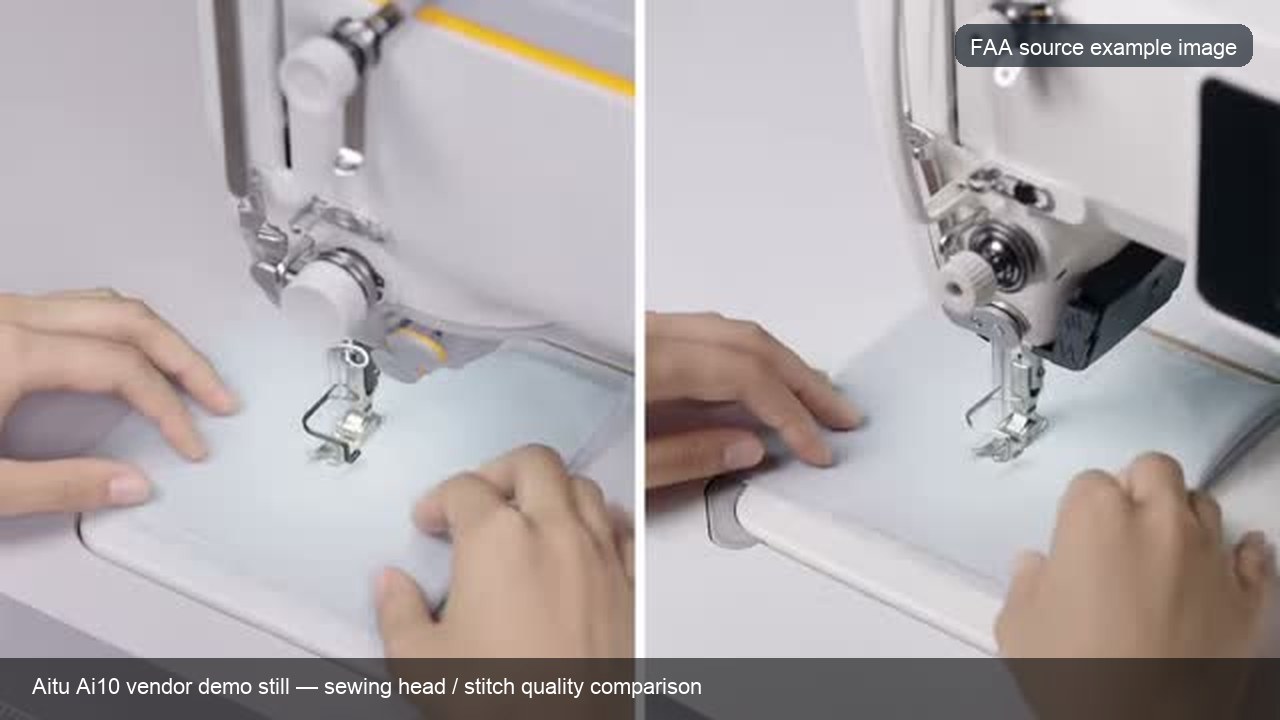
A proper pilot should track skipped stitches, puckering, thread-end issues, bird nest, seam appearance, tension balance, needle/thread problems, and QC return reasons. The key is to measure quality together with speed. A faster operation that creates more repair work is not a productivity gain; it is cost moved to another department.
The best pilot result is not “the machine sewed fast.” It is “variation reduced, defects dropped, and the remaining failure conditions are visible.” In this area, the AI lockstitch machine pilot should be judged like a quality-control experiment, not a showroom demo.
4. SMV / SAM variance
If the machine claims productivity improvement, compare it against the method baseline.
The factory should not look only at average cycle time. It should compare actual cycle time against SMV or SAM, operation by operation, and check whether the range becomes narrower. A faster average is less useful if variation stays wide. IE teams need stability, not only a best-case number.
This is where AI sewing data can become valuable beyond the machine itself. If the data helps IE, QC, and production teams understand why an operation is unstable, the pilot becomes a management tool. If the data remains trapped inside a machine dashboard, the value is limited.
5. Changeover repeatability
Real production changes constantly.
Styles change. Fabric lots change. Operators rotate. Supervisors adjust the line under pressure. A pilot should record what happens after changeover: how long setup takes, which settings need manual correction, whether the same result can be repeated, and whether the system creates a usable record for the next run.
For many factories, repeatability is the real value. Not a futuristic “unmanned” story, but a practical reduction in rescue work, retraining, and trial-and-error setup.
The vendor proof I would request
A vendor should not show only the best seam.
For an AI lockstitch pilot, I would ask for the failed cases too:
- Which fabrics caused unstable feeding?
- When did automatic tension or feeding adjustment need manual override?
- How does the system record a human correction?
- Can the factory export the data?
- Can the data connect to IE, QC, maintenance, or production reports?
- Does the system show only machine data, or does it help explain line loss?
- What happens after style change, operator change, or fabric-lot change?
This is where many AI tools become weak. They show a smart function, but the factory cannot use the result in the next production meeting.
For me, the strongest AI sewing pilot would not be the one that says, “We increased speed.” It would be the one that says:
“Here is where variation reduced. Here is where rework dropped. Here is the condition where the system still needs manual control.”
Factory field note
In garment factories, operator experience should not be treated as a problem to remove. It is production knowledge.
The problem is that much of this knowledge is invisible. A skilled operator adjusts handling before the defect appears. A line leader notices that one operation is becoming unstable before the output report shows it. A mechanic knows when a machine setting is only temporarily good.
AI sewing becomes interesting when it helps turn that invisible experience into evidence.
Not to replace the operator immediately. That is usually the wrong first expectation. The near-term value is to reduce hidden dependency on a few expert people and make the process easier to repeat across styles, shifts, and training levels.
That matters for training. It matters for line balancing. It matters for factories that move between styles quickly. It matters when production managers ask why the same operation keeps needing rescue support.
Pilot gate: GO, HOLD, or REDESIGN
I would treat an AI lockstitch machine pilot this way:
GO if the machine reduces defect variation across real fabrics, multiple operators, and repeated style-change conditions, with data the IE and QC teams can actually use.
HOLD if the machine runs well in the demo but the factory cannot connect the result to SMV, defect records, rework, maintenance response, or line-balance decisions.
REDESIGN if the pilot measures only speed and ignores fabric behavior, operator gap, quality loss, and changeover repeatability.
An AI sewing machine should not be approved because the demo looks intelligent. It should be approved only when it proves that it can reduce variation under real production pressure.
That is the difference between buying a smart-looking machine and building a smarter sewing process.
For the same reason, I would connect this pilot to two wider Factory AI checks: whether the factory already has the right readiness measurements before automation, and whether machine evidence can pass through a deployment evaluation layer before it influences budget or production decisions.
Sources checked and claim boundary
This article uses Aitu’s public demo material as the starting point, not as independent proof of factory performance. The practical checks are based on how a factory should verify the claim before a pilot budget is approved.
- Aitu official YouTube demo — Ai10 AI sewing machine
- Aitu AI Lockstitch Machine product page
- OSHA Sewing and Related Procedures eTool — used as a reminder that sewing-machine changes also affect operator handling, posture, and work conditions.
- NIST AI Risk Management Framework — used as a general reference for treating AI claims through measurement, risk, and governance rather than vendor language alone.
Vendor terms such as AI vision, flexible feeding, fabric-parameter database, automatic process identification, bird-nest prevention, thread-end handling, and oil-free clean sewing should be treated as claims to test. They should not be repeated as FAA-verified results unless the factory has its own defect, rework, SMV/SAM, changeover, and operator-comparison evidence.