Factory AI Atlas · Evan Lee
Factory AI Atlas is written from apparel manufacturing operations, not AI hype.
Factory AI Atlas helps factory leaders, apparel operators, and manufacturing technology readers evaluate AI, robotics, edge systems, and automation ROI through real operating constraints: line balance, quality evidence, material flow, downtime, buyer pressure, and operator adoption.
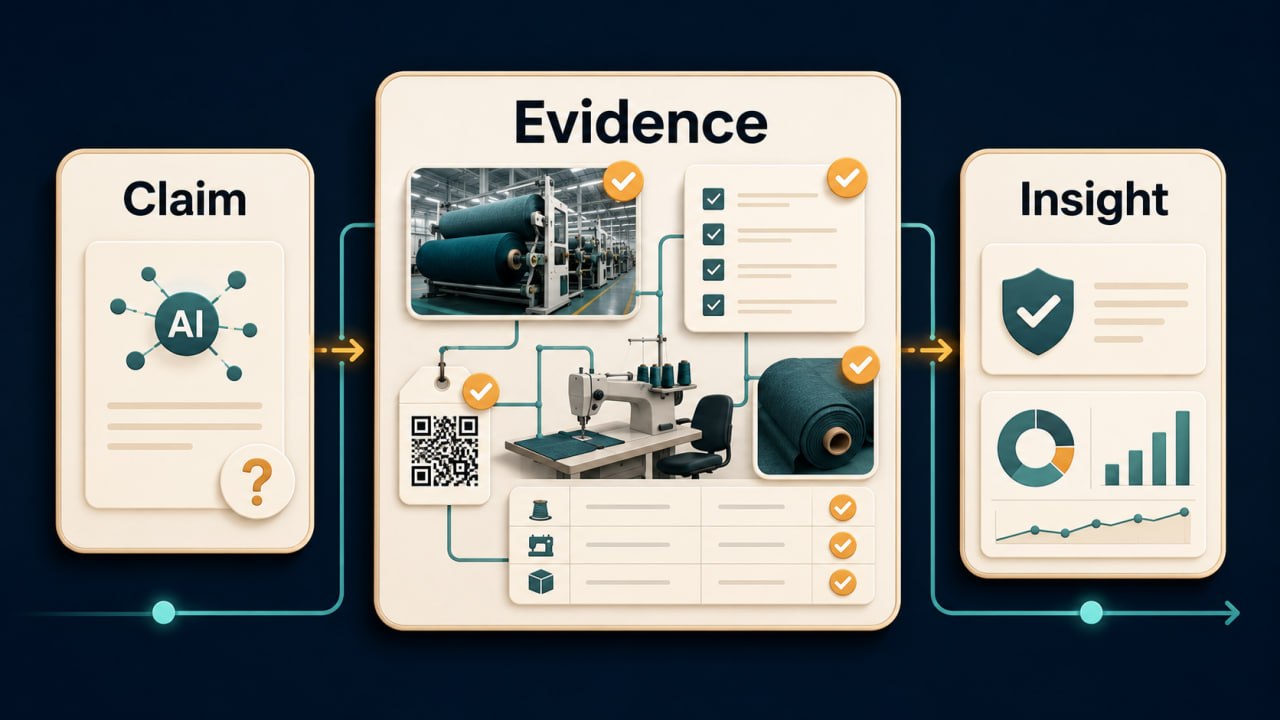
Trust summary
Why Factory AI Atlas exists
Factory AI Atlas was created to make factory AI discussions more practical. Robots, vision systems, edge AI, and automation platforms can look impressive in demos, but factories have to live with the details: unstable tasks, missing data, operator adoption, maintenance response, quality evidence, safety gates, and ROI pressure.
I write from a manufacturing and apparel operations perspective to help factory leaders, buyers, and operators separate useful AI decisions from vague technology claims.
AI tools may help organize drafts and research notes, but the site’s conclusions and publication decisions remain human-led.
Mission
Turn factory AI interest into better operating decisions.
Manufacturing teams are surrounded by AI copilots, machine-vision demos, humanoid robots, autonomous mobile robots, edge AI platforms, digital twins, and new automation systems. Factory AI Atlas helps readers slow down the decision: what problem is being solved, what process data exists, what evidence is needed, and what must be true before a pilot deserves budget.
Before the pilot
Check visibility, ownership, safety, acceptance criteria, and data quality before a technology decision becomes a project.
Before the ROI claim
Question hidden costs, utilization assumptions, maintenance burden, changeover impact, and baseline measurement.
Before the vendor demo
Translate vendor language into real factory conditions: people, machines, materials, layouts, audit rules, and daily management routines.
Founder / Editor
Evan Lee brings nearly three decades of apparel and factory operations experience to Factory AI Atlas.
Manufacturing operations background
Evan Lee is an apparel manufacturing executive and factory-operations specialist working across Vietnam and Korea manufacturing contexts. He writes and edits Factory AI Atlas from practical experience in apparel production, overseas factory operations, production control, IE/ME coordination, QA/QC systems, buyer evidence, traceability, and automation-readiness decisions.
The site does not expose confidential factory, buyer, style, costing, audit, supplier, or employee information. Examples are generalized and anonymized, but the questions come from real manufacturing work: whether operators can use a system, whether quality risks are controlled, whether line data is reliable, and whether ROI survives a live production day.
External profile and accountability
Evan also maintains a public Factory AI Atlas presence on X as @Evan_FactoryAI, where he shares practical notes on robotics ROI, edge AI, apparel factory readiness, and operator-first automation. His LinkedIn profile is available at linkedin.com/in/evan-lee-3820603b3.
Corrections, source suggestions, privacy questions, and collaboration inquiries can be sent through the Contact page.
Who this site is for
For operators, managers, and builders who need grounded manufacturing AI thinking.
Factory and operations leaders
Use Atlas when you need a practical way to discuss AI, robotics, automation ROI, process visibility, and pilot acceptance with internal teams or vendors.
Manufacturing technology readers
Use Atlas to understand how chips, edge AI, robots, software platforms, and factory systems connect in the real operating stack.
Apparel and garment professionals
Use Atlas for a field-specific lens on flexible materials, style changeovers, GSD/SAM/SMV, QC control points, line balancing, and audit-driven traceability.
AI builders and analysts
Use Atlas to see why production context, acceptance tests, and workflow constraints matter as much as model capability or robot performance.
Editorial method
Every useful Factory AI idea should pass through four questions.
Chip, edge AI, robot, machine, MES, data tool, workflow app, or factory operating system?
Official sources, public vendor material, field logic, measurable examples, or still-unverified claims?
Process visibility, master data, standard work, safety rules, maintenance ownership, and acceptance gates.
A better pilot, a delayed purchase, a narrower use case, a vendor question list, or a readiness improvement plan.
Field lens
Why apparel and garment factories are a useful stress test.
Garment production exposes many of the hard parts of factory AI: flexible materials, high-mix style changes, manual skill, quality judgment, buyer compliance, fragmented data, costing pressure, and line-level variation. If an AI or robotics idea cannot survive these questions, it may not be ready for broader manufacturing reality either.
Standard-time data
GSD, SAM, and SMV show why standard work and capacity logic matter before advanced AI costing or scheduling can be trusted.
Control-point digitization
Needle handling, QC logs, WIP tracking, and audit evidence show how practical traceability becomes readiness data.
Automation sequence
Before robotic sewing, many factories need better visibility in cutting, WIP, inspection, maintenance, and daily management apps.
Standards
Independent, source-aware, and readiness-first.
What Atlas tries to do
- Separate adoption narratives from real value capture.
- Prefer official and primary sources when claims are important.
- Translate technology into operating questions, not slogans.
- Make apparel and manufacturing examples public-safe and generalized.
What Atlas avoids
No guaranteed ROI claims. No vendor promotion disguised as independent analysis. No exposure of private factory, buyer, style, costing, audit, or employee details. No fake newsletter, dashboard, or scorecard functionality that is not actually available.
Trust and corrections
How Factory AI Atlas handles claims, sources, and reader feedback.
Editorial independence
Factory AI Atlas is written for manufacturing decision support. Vendor announcements may be used as public signals, but coverage does not mean endorsement, ranking, ROI guarantee, or purchase recommendation.
Sources and assumptions
When claims matter, Atlas prefers official documents, standards bodies, public vendor documentation, credible research, and clearly labeled field interpretation. Unverified claims are treated as questions to test, not proof.
AI-assisted drafting
AI tools may support drafting, outlining, research organization, and editing. Final publication is reviewed by Evan Lee for manufacturing-readiness value, source fit, public-safe wording, and independent judgment.
Corrections and source suggestions
Readers can send correction notes, source suggestions, or vendor information updates through the Contact page. Please include the page URL and a credible public source so the claim can be reviewed.
Explore Factory AI Atlas
Start with a readiness question, then choose the right resource.
If you are new to the site, begin with the Readiness Hub and Scorecard. If you already have a specific vendor, robot, or automation idea, move to Checklists and Guides before reviewing Articles and Market Maps.