In this article
- 1. Start With the Work, Not the Robot
- 2. Why Truck Loading Is a Hard Physical AI Problem
- 3. What Apparel Factories Should Actually Copy
- 4. The Factory Parallel: Cartons, WIP, and Loading Pressure
- 5. ROI Is Not Only Labor Replacement
- 6. Edge Cases Matter More Than Big Data
- 7. A Practical Readiness Checklist for Apparel Logistics
- Final Takeaway: Physical AI Starts With the Floor, Not the Machine
- Sources Referenced
- Related Factory AI Atlas Reading
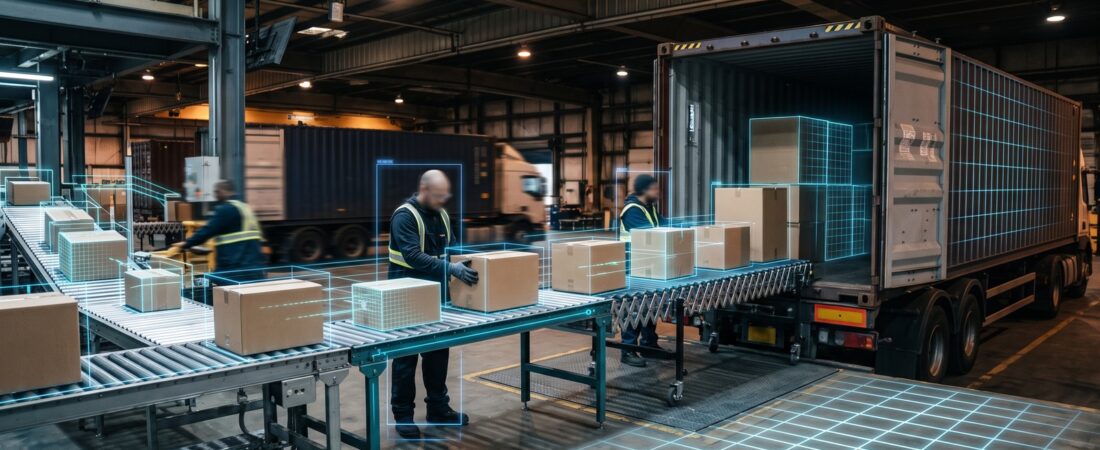
A recent Silicon Valley Now video from Hankyung Global Market visits Dexterity, the robotics company known for AI-powered truck-loading work with FedEx. It is easy to watch the clip as a robot demo. For Factory AI Atlas, the more useful question is different: what does this kind of messy physical work teach factories about where AI can actually help?
The lesson for apparel factories is not to copy a parcel-loading robot. A garment factory does not run like a FedEx hub. But the operating logic is relevant. Factories should look for repeated physical work where variation, injury risk, waiting time, and poor visibility make the process hard to control.
1. Start With the Work, Not the Robot
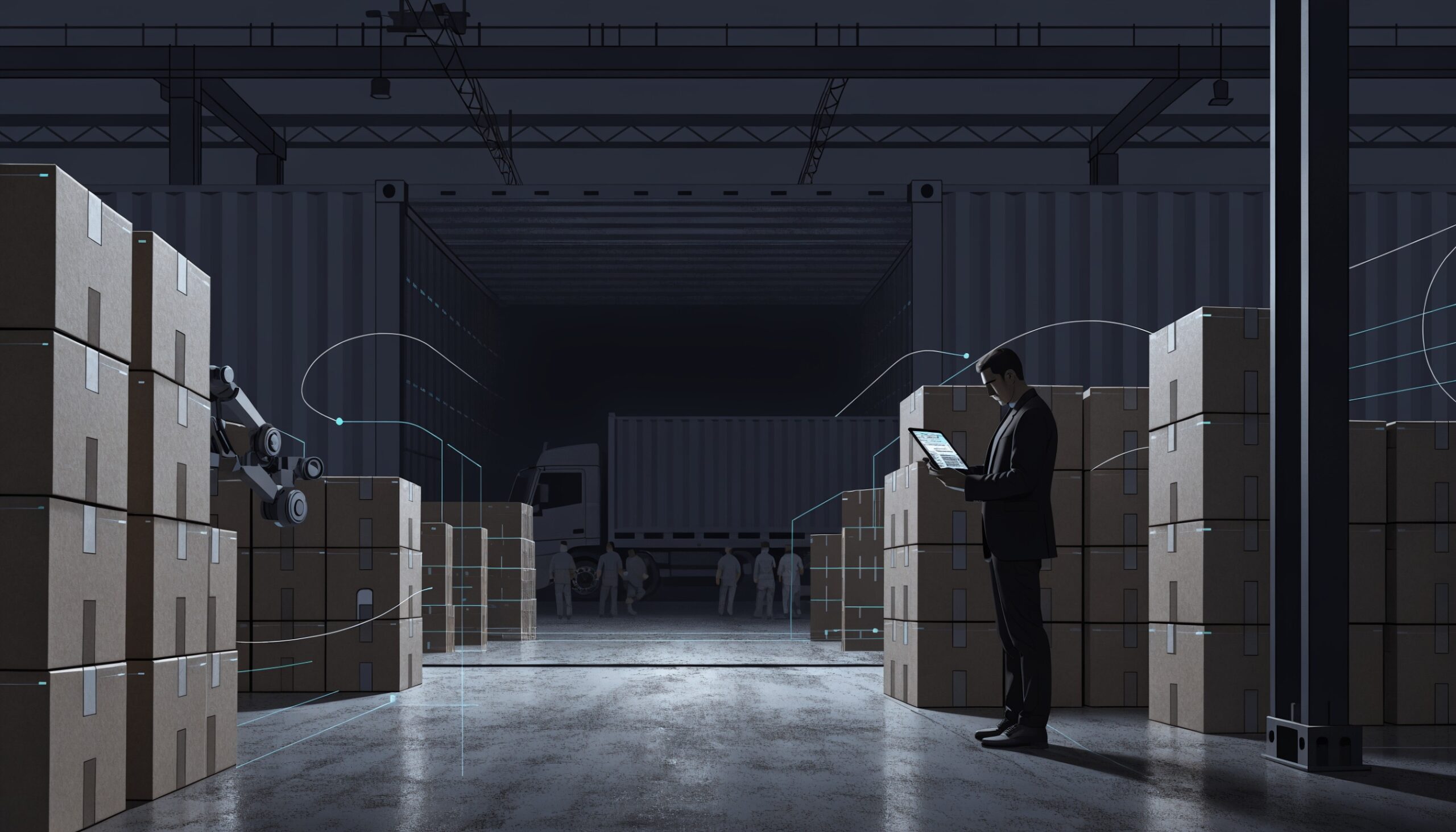
The visible subject is an impressive truck-loading robot. The real subject is a difficult physical job. The robot handles boxes that differ by size, weight, surface, rigidity, damage condition, and arrival order. The boxes are not presented in a clean sequence. They are not perfectly aligned. The system must decide in real time how to pick, move, and stack them.
That is why the case matters for Factory AI. Many AI conversations in manufacturing still assume clean data, stable inputs, and predictable process steps. Real factory work is usually less tidy. The value appears when AI helps people manage physical variation without slowing the process down.
For apparel manufacturing, the useful question is not “Can we buy a robot like this?” The better question is: where do we have repeated physical work that is still manually managed because the variation is too messy for traditional automation?
2. Why Truck Loading Is a Hard Physical AI Problem
Dexterity’s official FedEx case study describes trailer loading as physically demanding work where packages arrive in random sizes, weights, and sequences, with no advance knowledge of what comes next. That distinction matters. Traditional automation works best when the process is controlled. Physical AI becomes more relevant when the process is partly uncontrolled but still repetitive enough to improve.
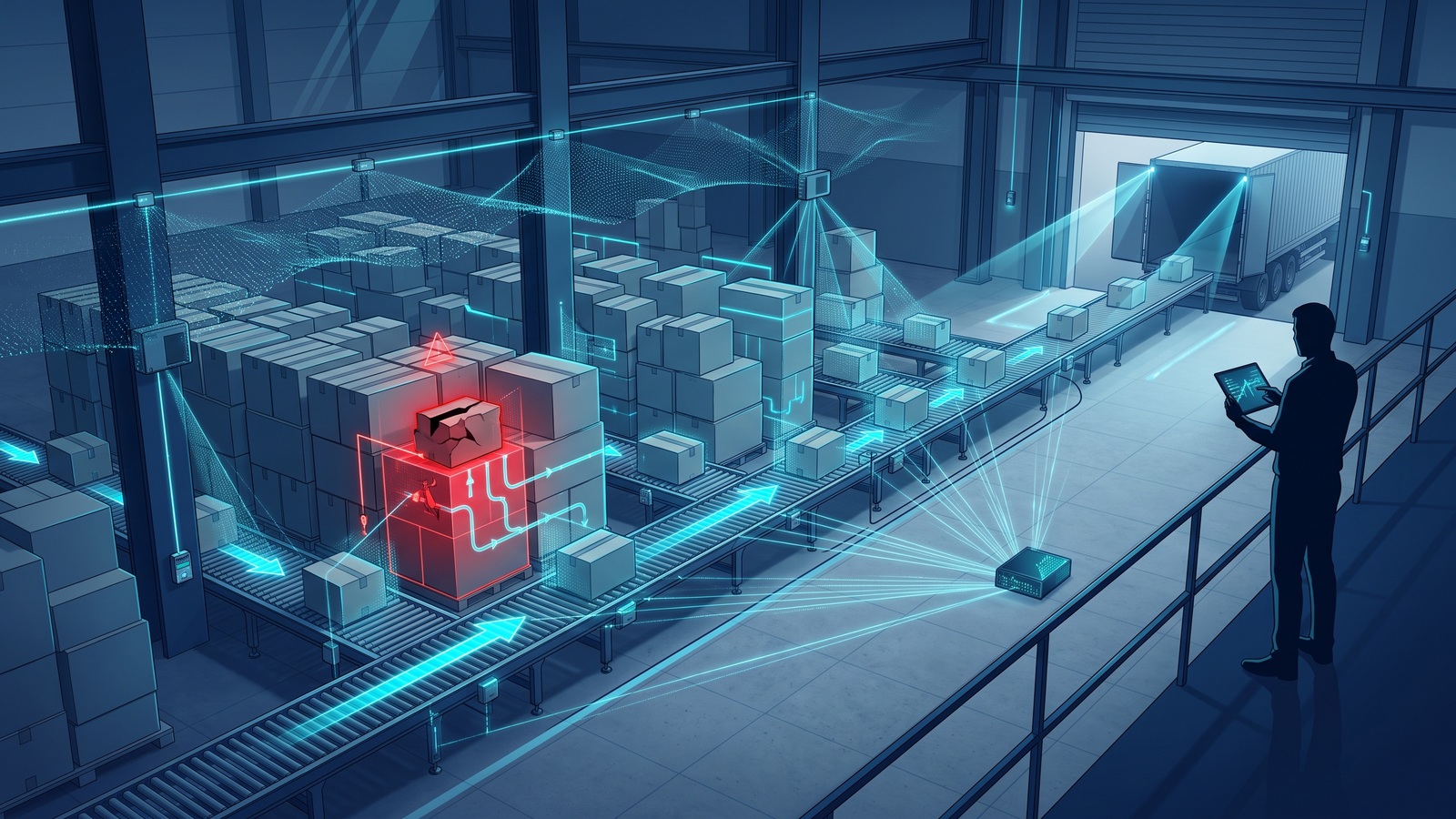
The video also emphasizes touch, vision, and a world model. Vision tells the system what it sees. Touch helps it understand contact and pressure. The world model helps the robot reason about where the box can go next and how the loading wall should remain stable. In other words, the system is not just moving boxes. It is reading the physical scene while it works.
3. What Apparel Factories Should Actually Copy
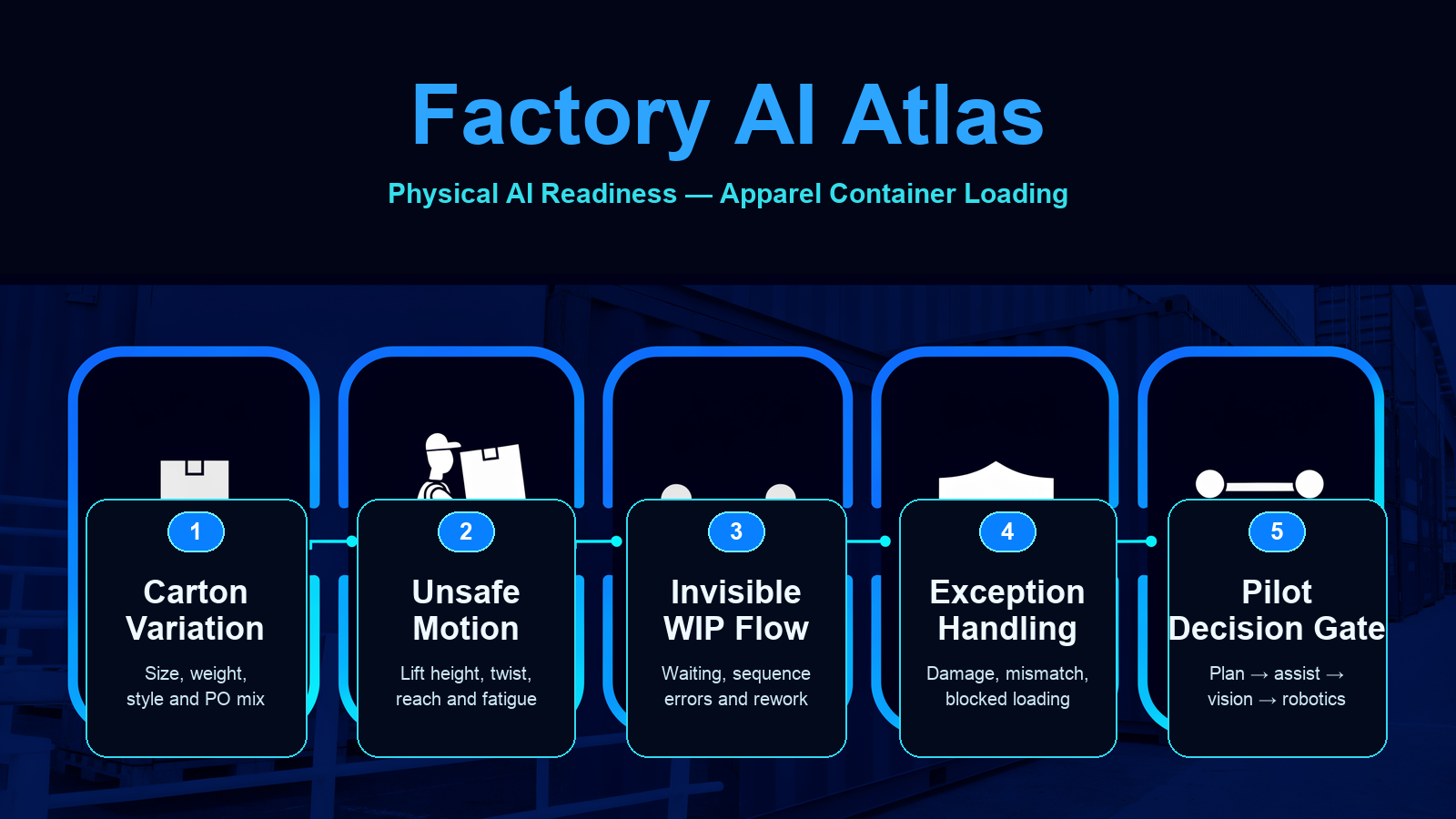
Apparel factories should not copy the robot form factor. They should copy the operating logic. The useful lesson is a sequence of factory questions:
- Where is the work physically variable? Cartons, bundles, rolls, panels, trims, and finished goods rarely behave like identical parts.
- Where is the work repeated enough? A one-time bottleneck is a training issue. A repeated bottleneck can become an automation or sensing candidate.
- Where is the safety risk? Shoulder-height lifting, container loading, twisting, pushing, and awkward carrying often hide real cost.
- Where is the process invisible? If WIP, waiting time, damage, or rework is not recorded, the factory cannot calculate ROI honestly.
- Where can the operator move up the loop? The goal is not only labor replacement. It can be safer supervision, exception handling, and better line support.
4. The Factory Parallel: Cartons, WIP, and Loading Pressure
In a garment factory, container loading is not the same as parcel hub truck loading. But some signals are similar. Cartons vary by style, PO, size mix, destination, weight, stiffness, and loading sequence. Workers often handle the process under time pressure, with limited visibility into sequence quality, carton damage, ergonomic risk, and loading density.
This does not mean the factory should immediately buy a loading robot. It means container loading can be a useful place to study the work. The factory can start by measuring cycle time, lift height, carton weight bands, loading sequence errors, damage cases, waiting time, and rework. Once those signals are visible, the factory can decide whether the right improvement is better planning, a dock checklist, scanning, simple mechanical assist, vision monitoring, or eventually robotics.
5. ROI Is Not Only Labor Replacement
One of the strongest points in the video is that the robot is not framed only as a human-versus-machine comparison. The explanation is closer to industrial equipment logic: productivity, safety, consistency, and the ability to run difficult work more reliably. That is a better frame for apparel factories too.
A weak ROI case says: “This machine replaces workers.” A stronger factory ROI case says: “This system reduces unsafe motion, makes throughput more predictable, catches exceptions earlier, and frees people to manage bottlenecks that still require judgment.”
That distinction matters because apparel factories often weaken automation pilots when they calculate only direct labor saving. They miss changeover, maintenance, operator training, line coverage, data integration, and the practical question of where the saved labor actually goes.
6. Edge Cases Matter More Than Big Data
The video’s discussion of selective expert data is also important. Physical AI does not need “the internet” in the same way a general language model does. It needs high-value physical experience: the broken box, the slippery surface, the overloaded carton, the awkward angle, the unexpected obstruction, and the moment when the system should ask for help.
For apparel factories, this maps directly to production edge cases: fabric rolling, uneven tension, carton mismatch, missing bundle, inspection fail patterns, needle breaks, puckering, label mix-ups, and rework loops. If a factory wants AI that survives the floor, it should start collecting the exception cases that currently live only in supervisor memory.
7. A Practical Readiness Checklist for Apparel Logistics
- Can the factory name the repeated physical job clearly?
- Is the variation visible: weight, shape, style, destination, material behavior, or sequence?
- Is there a safety or ergonomic cost that is currently treated as normal work?
- Can the factory measure cycle time and waiting time without adding reporting burden?
- Can exceptions be escalated to a human supervisor quickly?
- Does the improvement connect to throughput, quality, safety, or delivery reliability?
- Is there a low-cost step before robotics: barcode discipline, dock scanning, layout change, mechanical assist, or vision monitoring?
Final Takeaway: Physical AI Starts With the Floor, Not the Machine
The Dexterity/FedEx case is useful for apparel leaders because it shifts the question. The first question is not which robot looks most advanced. The first question is which physical workflow is valuable, repeated, variable, and painful enough to deserve better sensing, better control, and better escalation.
For garment factories, the next Physical AI opportunity may not begin at the sewing machine. It may begin at the dock, the warehouse, the carton staging area, the inspection exit, or the WIP handoff between departments. The robot is only one possible answer. The operating logic comes first.
Sources Referenced
- Hankyung Global Market — Dexterity headquarters video
- Dexterity — FedEx Case Study
- Dexterity — Introducing Foresight